
Liver Cancer Awareness Month, a time dedicated to raising awareness about one of the most serious yet preventable forms of cancer. While liver cancer can be devastating, understanding the risk factors and taking preventive measures can significantly reduce your chances of developing this disease.
Understanding Liver Cancer
Liver cancer occurs when cells in the liver begin to grow abnormally and form tumors. The liver, one of the body’s largest organs, performs hundreds of vital functions including filtering toxins from the blood, producing bile for digestion, and storing energy. When cancer affects this crucial organ, it can have serious consequences for overall health.
Primary liver cancer (cancer that starts in the liver) is different from cancer that spreads to the liver from other parts of the body. The most common type of primary liver cancer is hepatocellular carcinoma, which begins in the main type of liver cell.
Know Your Risk Factors
Understanding what increases your risk of liver cancer is the first step toward prevention. Key risk factors include:
Chronic Hepatitis Infections: Hepatitis B and C viruses are major risk factors for liver cancer. These infections cause chronic inflammation and can lead to cirrhosis, which significantly increases cancer risk.
Cirrhosis: This scarring of the liver can result from various causes including excessive alcohol consumption, chronic hepatitis infections, and fatty liver disease. Once cirrhosis develops, the risk of liver cancer increases substantially.
Excessive Alcohol Use: Heavy, long-term alcohol consumption can lead to cirrhosis and liver cancer. The risk increases with the amount and duration of alcohol use.
Non-Alcoholic Fatty Liver Disease: With rising rates of obesity and diabetes, fatty liver disease has become increasingly common. This condition can progress to cirrhosis and liver cancer even without alcohol consumption.
Obesity and Diabetes: Both conditions are linked to fatty liver disease and increased liver cancer risk.
Exposure to Aflatoxins: These toxins are produced by mold that grows on improperly stored grains and nuts, and exposure is a risk factor particularly in certain parts of the world.
Prevention Strategies You Can Start Today
The good news is that many cases of liver cancer are preventable. Here are concrete steps you can take:
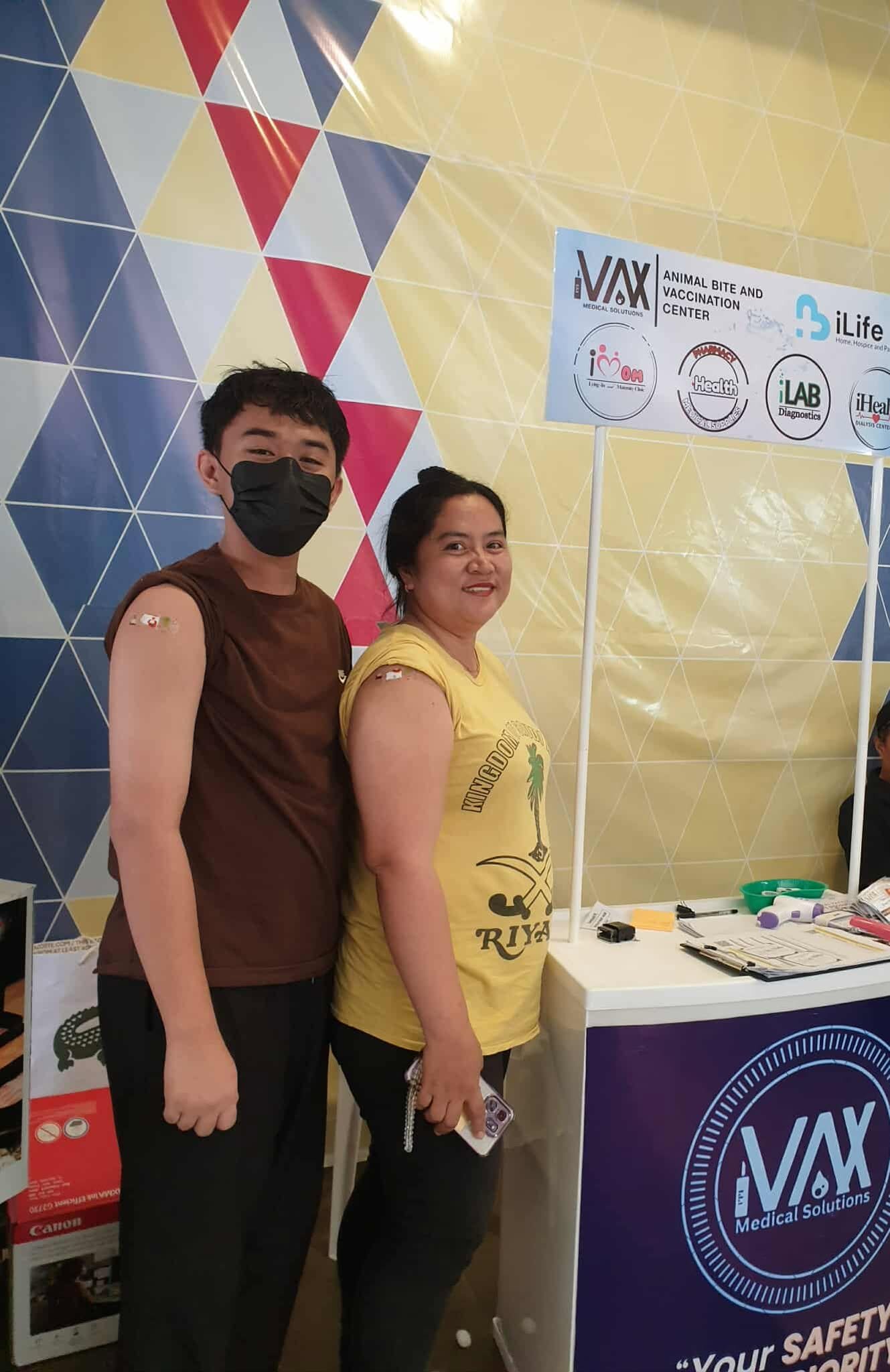
Get Vaccinated: A hepatitis B vaccine is available and highly effective. If you haven’t been vaccinated, talk to your healthcare provider about getting this important protection.
Practice Safe Behaviors: Hepatitis B and C can spread through blood and bodily fluids. Avoid sharing needles, razors, or toothbrushes, and practice safe sex to reduce transmission risk.
Limit Alcohol Consumption: If you choose to drink, do so in moderation. For most adults, this means up to one drink per day for women and up to two drinks per day for men.
Maintain a Healthy Weight: Eating a balanced diet rich in fruits, vegetables, whole grains, and lean proteins while staying physically active can help prevent obesity and fatty liver disease.
Get Tested: If you’re at risk for hepatitis B or C, get tested. Early detection and treatment of these infections can prevent progression to liver cancer. Many people with hepatitis C don’t know they have it until liver damage occurs.
Manage Chronic Conditions: If you have diabetes, work with your healthcare provider to keep it well-controlled. This can help reduce your risk of fatty liver disease and subsequent cancer.
Avoid Toxin Exposure: Store grains and nuts properly in cool, dry places to prevent mold growth. Buy products from reputable sources.
The Importance of Regular Screening
For people at high risk of liver cancer, particularly those with cirrhosis or chronic hepatitis infections, regular screening can detect cancer early when it’s most treatable. Screening typically involves ultrasound imaging and blood tests for alpha-fetoprotein (AFP), a marker that can be elevated in liver cancer.
If you have risk factors for liver cancer, talk to your doctor about whether screening is appropriate for you and how often you should be screened.
Spreading Awareness
Liver Cancer Prevention Month is an opportunity to educate others about this disease. You can make a difference by:
- Sharing information about liver cancer prevention with friends and family
- Encouraging loved ones at risk to get tested for hepatitis
- Supporting organizations dedicated to liver cancer research and patient support
- Advocating for better access to hepatitis vaccines and treatment


Clear and practical tips. It’s good to know many liver cancer risks are preventable.